LJL; journey of an Object
- Kartik Richharia
- Mar 25, 2022
- 2 min read

Part 1:
(a) Context and design situations:
When buying a product consumers look for variety of things in the product such as, form, appearance, storability, and emotional reasons. Form is basically how the product looks, and depending on the form it will also tells us how the product will function. so function cannot exist without form. Emotional needs are basically what the user finds comfortability in or it could be related to cultural traditions.
(b) Reflecting on teamwork:
Work is equally distributed among people
Work can be divided in such a way where you can do the work you're good at
It encourages you to work more
Leads to more Ideas
Different perspectives
Better productivity
Recommendations:
Be vocal, Because you all have the same end goal.
Don't be afraid to give Criticism but it has to be constructive
Never forget to have a group discussion
Part 2:
Primary
I use primary method of inquiry when I want to know the overall opinion about something by conducting surveys and asking questions you can learn new things that you didn't know before.
Benefits:
It helps in understanding the public view on that Object
It helps in communication skills.
Limitations:
Since you're getting the information by asking questions from an average person the chance for false information is quite high.
You can't go in depth about the object since the information is quite low.
Examples:
Slice and dice

Questionnaire

Secondary
This is usually the main source I use for when I need to find information quick.
Benefits:
The information is readily available
less time consuming
Limitations:
On certain websites like wikipedia the chance to get the false informations is fairly high because It can be edited by anyone.
Examples:
Timeline
process poster
(b) Connection between the tasks
Ergonomics and Isometric corelated to each other by helping me understand my object. Isometric helped me understand the intricate details of the object while ergonomics helped in understanding how the object is held and used.
Semi structured interview and visual narrative helped with the vision of the narrative
Benefits and recommendations for various activities:
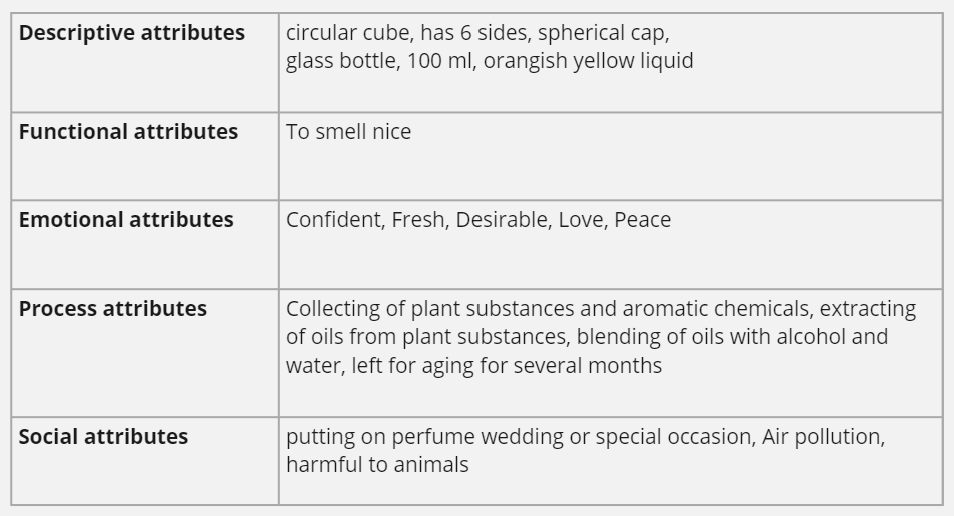
Semi structured interview: helps understanding the emotional attributes of an object
Observational drawings: Helps understanding the overall shape of an object and the minute details that you might've missed on first glance.
Part 3
(a) Applications of Visual tools and techniques:
Least effective:
For me, the least effect work was the Form study, Since the shape of the bottes were quite complex and with all the work piling up I just kind of gave up on it


Most effective:
Even though it was my first time making a comic strip I think it didn't turn out that bad. I had a lot of fun while making it. I used ink as a medium and a dipping fountain pen which I had just bought that day.

Part 4

Part 5
Aspects of the project that helped me learn:
Observing the object carefully helped me in realising the importance of the small things that make up an object
It helped me realise that even the smallest of things could have the heaviest history and importance behind them.
Strengths:
Clear vision while making the layout of the timeline
When creating the comic strip I was able to put down my Idea on paper quite well.
Struggles:
Lack of motivation is something I struggle with a lot and It was at its highest during JOO, so I wasn't able to give my best.
Time management is something I also need to work on, It had an immense effect on the work ( or lack of it) that I did.
Comments